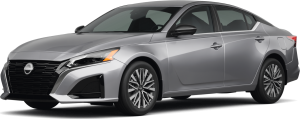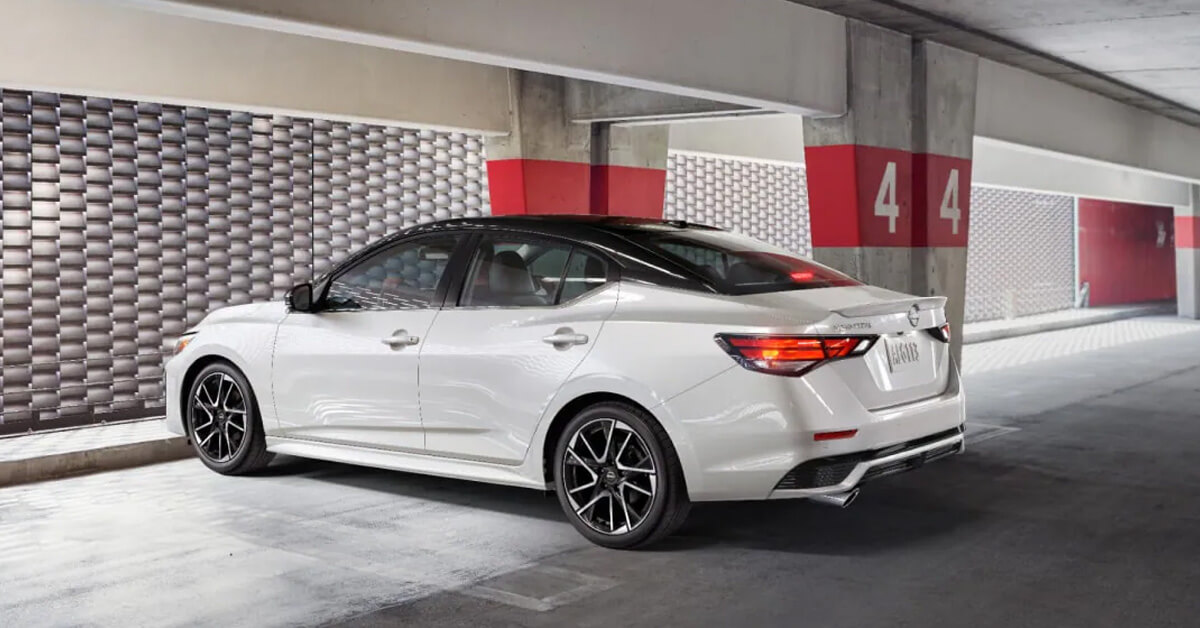
The 2026 Nissan Sentra SR vs Honda Civic Sport comparison comes down to value, efficiency, and everyday usability in the compact sedan segment. The Sentra SR starts at $25,000 and delivers 149 horsepower, up to 30/38 MPG, available dual 12.3-inch displays, and advanced safety features like Safety Shield 360 with available ProPILOT Assist, while the Civic Sport starts at $26,695 and offers similar horsepower, slightly higher MPG ratings, and access to hybrid trims with significantly higher efficiency. For drivers comparing the best compact cars, the 2026 Sentra and Civic, the decision often comes down to whether you prioritize a lower starting price with premium features or a lineup that extends into hybrid options.
At Kings Nissan, we are here to support you through every step of your car-buying journey, from exploring new Nissan models to ongoing service and genuine parts support. Our team is committed to making the process simple and transparent, including flexible financing options designed to fit your needs. Visit us or contact our team today to experience the Sentra SR in person and find the right compact sedan for your daily drive.
How Do Performance and Efficiency Compare Between the Sentra SR and Civic Sport?
In the 2026 Nissan Sentra SR vs Honda Civic Sport comparison, both sedans stay close in output, but they approach efficiency a bit differently.
The Sentra uses a 2.0-liter four-cylinder engine producing 149 horsepower and 146 lb-ft of torque, paired with a CVT and front-wheel drive. It reaches up to 30 MPG city and 38 MPG highway, making it a steady option for daily commuting.
The Civic Sport also runs a 2.0-liter engine with 150 horsepower and delivers up to 31 MPG city and 39 MPG highway. On paper, that gives it a slight edge in fuel economy.
Where the Sentra adds flexibility is in its selectable drive modes:
- Sport mode for sharper response
- Standard mode for balanced driving
- Eco mode for maximizing efficiency
The Civic lineup expands into hybrid trims with much higher MPG and up to 200 horsepower, though those sit outside the Civic Sport comparison.
What Technology and Infotainment Features Set These Sedans Apart?
In the Sentra vs. Civic comparison of 2026, technology feels like a clear point of separation depending on how you use your car day to day.
The Sentra leans into a more immersive layout, with a standard 12.3-inch touchscreen and an available dual 12.3-inch display setup that brings gauges and infotainment into one continuous view. It also offers wireless smartphone integration and an available Bose premium audio system with up to eight speakers.
The Civic Sport takes a more straightforward approach. It includes a 7-inch touchscreen, with a larger 9-inch screen available on higher trims, plus Apple CarPlay and Android Auto compatibility. Wireless functionality and premium audio are tied to higher trims rather than the Sport itself.
If your priority is a larger, more integrated display experience, the Sentra stands out. If you prefer a simpler setup with upgrade paths across trims, the Civic lineup offers that flexibility.
Which Sedan Offers More Comfort and Interior Features for Daily Driving?
In a 2026 compact sedan comparison, comfort often comes down to how a cabin feels during real, everyday use.
The Sentra focuses on a more tailored interior experience, with available quilted seating, ambient lighting, and features like heated front seats, a heated steering wheel, and heated mirrors depending on configuration. Its 14.3 cubic feet of cargo space and wide trunk opening also make loading groceries, bags, or gear more practical.
The Civic Sport keeps things more minimal in this trim. Cloth seating comes standard, while features like heated seats and dual-zone climate control are reserved for higher trims. Where it does stand out is passenger space, offering 37.4 inches of rear legroom compared to the Sentra’s 34.8 inches.
For daily driving, the choice often comes down to priorities. The Sentra leans toward interior ambiance and available comfort features, while the Civic emphasizes rear passenger space and a simpler cabin layout.
How Do Safety and Driver Assistance Features Compare in 2026?
Safety plays a major role when choosing the best compact car: 2026 Sentra and Civic drivers can rely on every day.
The Sentra brings a full suite of driver assistance features:
- Nissan Safety Shield 360
- Automatic Emergency Braking with Pedestrian Detection
- Blind Spot Warning
- Rear Cross Traffic Alert
- Lane Departure Warning
It also offers available ProPILOT Assist, which combines steering assist and cruise control to help manage stop-and-go traffic. On top of that, the Sentra has earned a 2026 IIHS Top Safety Pick+ award.
The Civic Sport includes the Honda Sensing suite, featuring:
- Collision Mitigation Braking
- Lane Keeping Assist
- Adaptive Cruise Control with low-speed follow
- Traffic Sign Recognition
It also adds a blind spot information system with cross-traffic monitor on Sport and above trims.
Both sedans cover the essentials well. The Sentra leans into available hands-on driving support, while the Civic emphasizes a broad set of standard driver-assist features.
How Do Pricing and Trim Value Compare for Budget-Conscious Buyers?
In a Nissan vs. Honda small sedan comparison, pricing often shapes the decision just as much as features. The Sentra lineup starts at $22,600, with the SR trim positioned at $25,000. This places it below the Civic Sport, which starts at $26,695, creating a noticeable gap for buyers comparing similarly equipped trims.
Beyond the base comparison, the Civic lineup expands quickly into higher-priced hybrid trims, Starting at $29,395 depending on configuration. That adds flexibility, but it also pushes the price range higher.
The Sentra keeps its trim structure more focused:
- S, SV, SR, and SL trims with incremental upgrades
- Premium features available without moving far up the price ladder
For buyers watching their budget, the Sentra offers a lower entry point into a well-equipped trim. The Civic provides more variety across its lineup, but often at a higher cost depending on how it is configured.
Which Sedan Is the Better Fit for Your Driving Needs?
Choosing between the 2026 Nissan Sentra SR and the Honda Civic Sport often comes down to how you plan to use your car each day. The Sentra gives you flexibility through its drive mode selector, offering Sport, Standard, and Eco modes. That makes it easier to adjust how the car responds, whether you are navigating tight city streets or settling into a longer highway drive.
The Civic Sport also includes multiple drive modes, with Econ, Normal, and Sport available. This setup allows you to shift between efficiency and responsiveness depending on your driving style.
The difference comes down to feel and preference. The Sentra emphasizes a more customizable driving experience with clearly defined modes, while the Civic Sport delivers a similar level of control with a slightly different tuning approach. Either way, both sedans give you options to match your daily routine without overcomplicating the drive.
What are the main differences between the 2026 Nissan Sentra SR and the 2026 Honda Civic Sport?
The Sentra SR starts at a lower price and offers features like available dual 12.3-inch displays and Safety Shield 360, while the Civic Sport has slightly higher MPG ratings and access to hybrid trims within its lineup.
How do their engines, fuel economy, and performance compare?
The Sentra produces 149 horsepower with up to 30/38 MPG, while the Civic Sport delivers 150 horsepower and up to 31/39 MPG. Civic hybrid trims offer higher efficiency and up to 200 horsepower, but they are separate from the Sport trim.
Which sedan offers more interior comfort, features, and technology?
The Sentra offers available quilted seating, ambient lighting, and a larger available display setup, while the Civic Sport has a simpler interior but provides more rear legroom at 37.4 inches compared to 34.8 inches in the Sentra.
For daily commuting or city driving, which is the better choice: Sentra SR or Civic Sport?
The Sentra offers drive modes including Sport, Standard, and Eco, while the Civic Sport includes Econ, Normal, and Sport modes. The better choice depends on whether you prefer more customization or a simpler driving setup.
How do maintenance, reliability, and long-term ownership costs compare between the two models?
Both models have relatively low ownership costs, but the Civic typically has lower average annual repair costs (around $368 vs. about $491 for the Sentra) and a higher reliability rating. Over time, Honda models also tend to have slightly lower maintenance costs and fewer major repairs compared to Nissan.
Find the Right Compact Sedan for Your Daily Drive
Choosing between the Sentra SR and Civic Sport comes down to how you balance value, efficiency, and everyday usability. Some drivers will lean toward a lower starting price with premium features like available dual displays and advanced safety systems, while others may prefer slightly higher fuel economy and access to hybrid options within the lineup. Both paths offer practical solutions for daily driving, but the right fit depends on what matters most behind the wheel.
Explore the Sentra Lineup Near Brooklyn and Beyond
At Kings Nissan, drivers from Brooklyn, Canarsie, Woodhaven, and Bushwick can explore a wide selection of vehicles, including the Sentra in multiple trims and configurations. Whether you are comparing features, testing comfort, or narrowing down your options, our team is here to make the process straightforward from start to finish.
If you are still weighing your options, continue exploring topics like Sentra trim differences, Rogue vs CR-V comparison, and Rogue vs RAV4 benefits to better understand how Nissan models stack up across the lineup. You can also learn more about maintaining your vehicle through our service options, find the right components with our genuine parts center, or get started with a finance application tailored to your needs. When you are ready, reach out or stop by and see the Sentra up close.
Contact Kings Nissan
Get Directions to Kings Nissan
Disclaimer: All information is provided for general informational and entertainment purposes only. While we strive for accuracy, we cannot guarantee that all content is complete, current, or error-free. Any reliance you place on such information is strictly at your own risk. This article may include opinions and is not endorsed by, or officially affiliated with, any vehicle manufacturer or brand. Always consult official sources – such as the vehicle’s owner’s manual, authorized dealerships, or certified professionals – for the most up-to-date and personalized information.